One question, four systems
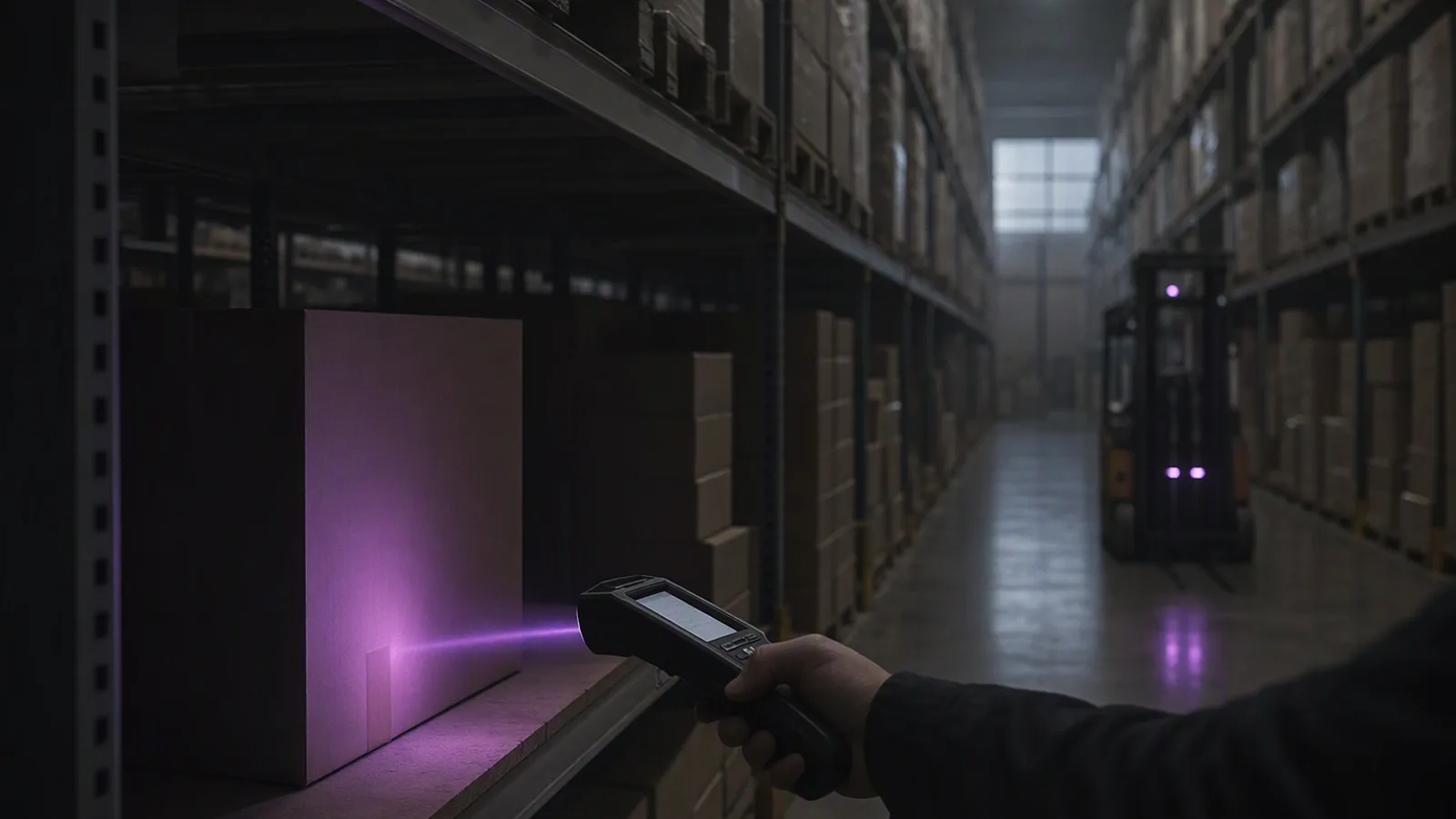
A customer asks whether you have something. Behind that question sit three others — can I sell it, where physically is it, and when would it reach them — and in most retail businesses each one lives in a different system that was bought at a different time for a different reason.
So somebody checks the shop, then the warehouse system, then remembers there is a pallet arriving Thursday, and gives an answer with more confidence than the underlying data supports.
Why the number is never quite right
Reserved is not the same as sold. Baskets, unconfirmed orders and picks in progress all reduce what you can actually promise, and different systems treat each differently.
Locations disagree. The item exists in the shop, the back room, a second branch and in transit. Whether any of those counts depends on the question, and most systems answer as though it does not matter.
Timing lags. Stock updates on a schedule. Between updates the figure is a historical statement being read as a current one, which is fine at low volume and not at peak.
Returns are in limbo. Goods coming back are neither out nor in for a period that nobody models, and at some volumes that limbo is a significant share of stock.
The buffer. Retailers who know their number is unreliable hold back a margin so they do not oversell. That margin is unsold inventory, and its size is a direct measure of how much the system is not trusted.
What it costs
Two failures, both expensive, and choosing between them is the daily job.
Overselling. You take an order you cannot fill. The cost is a refund, an apology and a customer who now checks a competitor first.
Underselling. You hold back stock you could have sold. It is invisible, which is why it persists — nobody ever gets a complaint about the sale that did not happen.
The buffer that prevents the first causes the second, and both are consequences of the same thing: a number nobody quite believes.
What accurate enough to promise means
A higher bar than accurate enough to report. A report can be reconciled afterwards. A promise is made to a person in real time and it either holds or it does not.
It requires one authoritative record rather than several synchronised ones, reservations and in-transit stock expressed explicitly rather than netted off, movements recorded where they happen rather than at the end of a shift, and returns modelled as a real state rather than a gap.
None of that is technically difficult. It is difficult because it has to be true in one system, and most retailers arrived at their current setup by adding a system at a time.
The measurable version
Take twenty items at random and count them physically. Compare with the system. Then look at your safety buffer.
The first number is your accuracy. The second is what that inaccuracy costs you in inventory you are deliberately not selling — and in most retailers the second is larger than anyone expected and has never been calculated, because it is nobody’s line in a report.
- stock accuracy
- order management
- integration
- availability